Spoken EnglishCourse
Best professional Spoken English training with complete practical implementation.
Course Details
| காலம் | 2 மாதங்கள் |
|---|---|
| நேரம் | தினசரி 1 மணி நேரம் ( சனி, ஞாயிறு மற்றும் அரசு விடுமுறை நாட்களில் வகுப்புகள் இருக்காது ) |
| Original Fees | ₹13000 |
| 50% Offer Fees | ₹6500 |
| Certificate | அரசு அங்கீகாரம் பெற்ற சான்றிதழ்கள் வழங்கப்படும் |
| Exam + Certificate Fees | ₹685 (Optional) |
Syllabus
Chapter 1. Basic English words
- Essential vocabulary (e.g., common nouns, verbs, adjectives).
- Greetings and farewells (e.g., Hello, Goodbye, Good morning).
- Words for quantity (e.g., some, many, few, a lot).
- Words for time (e.g., today, yesterday, tomorrow, now, later).
- High-frequency adverbs (e.g., quickly, slowly, always, never).
Chapter 2. Basic Grammar
- Subject-Verb agreement.
- Tenses overview (Simple Present, Past, and Future).
- Use of 'to be' (am, is, are, was, were).
- Articles (a, an, the) and their basic usage.
- Personal Pronouns (I, you, he, she, it, we, they).
Chapter 3. Verbs
- Regular and Irregular verbs (past tense and past participle forms).
- Modal verbs (Can, Could, May, Might, Must, Should, Will, Would).
- Introduction to Phrasal Verbs (e.g., look up, turn off, put on).
- Using verbs in basic sentence structures.
- Gerunds and Infinitives (basic distinction).
Chapter 4. Text Making
- Simple Sentence Construction (Subject + Verb + Object).
- Compound Sentences (using conjunctions like 'and,' 'but,' 'or').
- Writing simple descriptions of people, places, and things.
- Writing short narrative paragraphs.
- Using connectors/transition words (e.g., first, next, finally, however).
Chapter 5. Parts of Speech
- Nouns (Common, Proper, Count, Non-count).
- Adjectives and their order (e.g., size, color, origin).
- Adverbs (of manner, place, time).
- Prepositions (in, on, at, under, above, between).
- Interjections (e.g., Wow! Oh! Oops!).
Chapter 6. Direct and indirect speech
- Converting simple statements from Direct to Indirect Speech.
- Converting simple questions (WH and Yes/No) from Direct to Indirect Speech.
- Reporting verbs (say, tell, ask, reply).
- Changes in time and place expressions (e.g., 'today' to 'that day').
- Practice exercises focusing on everyday conversations.
Chapter 7. Active voice and passive voice
- Identifying the subject and object.
- Structure of the Active Voice.
- Structure of the Passive Voice (using 'to be' + Past Participle).
- When to use the Passive Voice (e.g., when the action is more important than the agent).
- Conversion exercises in various tenses.
Chapter 8. WH Questions
- Forming questions with 'What,' 'Where,' 'When,' 'Why,' 'Who,' and 'How.'
- Asking about people, things, places, time, and reasons.
- Practice asking follow-up WH questions.
- Intonation patterns for WH questions.
- Common WH phrases (e.g., 'What kind of...?', 'How long...?', 'Who is in charge...?').
Chapter 9. Yes or No Questions
- Forming questions using 'Do,' 'Does,' and 'Did.'
- Forming questions using 'Be' verbs (Is, Are, Was, Were).
- Forming questions using Modal verbs (Can, Should, Will).
- Giving short and long answers (e.g., "Yes, I do." or "Yes, I like to read books.").
- Intonation patterns for Yes/No questions.
Chapter 10. School Speaking
- Asking and answering questions about homework and classes.
- Talking to a teacher (asking for permission, asking for clarification).
- Conversations with classmates (planning projects, discussing exams).
- Excusing absence (e.g., "I won't be in school today because...").
- Giving and following simple instructions in a school context.
Chapter 11. Textile shopping speaking
- Asking about prices, sizes, and colors.
- Requesting to try on clothes (e.g., "Where are the fitting rooms?").
- Discussing fabric type and quality (e.g., cotton, silk, synthetic).
- Bargaining/Negotiating price (if applicable to the context).
- Making a complaint or requesting an exchange/refund.
Chapter 12. Hotel Speaking
- Checking in and checking out procedures.
- Asking for room service or housekeeping.
- Requesting information (e.g., Wi-Fi password, breakfast time).
- Reporting a problem with the room or amenities.
- Booking a room over the phone or at the counter.
Chapter 13. Speaking with friends
- Initiating and ending casual conversations.
- Discussing plans for the weekend/movies/trips.
- Sharing opinions and feelings (e.g., "I think...", "I feel...").
- Agreeing and disagreeing politely.
- Telling short, engaging stories or anecdotes.
Chapter 14. Interview speaking
- Greeting and rapport-building at the start.
- Answering common questions (e.g., "Tell me about yourself," "Why do you want this job?").
- Discussing past experience and skills.
- Asking questions to the interviewer.
- Professional farewell and follow-up expressions.
Chapter 15. Speaking with relatives
- Asking about health and well-being.
- Discussing family updates and events.
- Expressing congratulations, condolences, or good wishes.
- Offering help or accepting an offer of help.
- Making plans for family gatherings.
Chapter 16. Speaking at office
- Formal and informal greetings with colleagues/superiors.
- Participating in short meetings (giving updates, presenting ideas).
- Asking for and granting leaves or time off.
- Professional communication (e.g., delegating tasks, asking for deadlines).
- Giving and receiving feedback constructively.
Chapter 17. Public speaking
- Starting a short speech (attention-grabbers, introductions).
- Structuring a 3-point speech (introduction, body, conclusion).
- Using transitional phrases (e.g., "Moving on to...", "In conclusion...").
- Dealing with stage fright and maintaining eye contact.
- Answering audience questions (Q&A session).
Chapter 18. Conversation at Railway station
- Asking for train schedules and platform numbers.
- Buying a ticket (specifying class, destination, and date).
- Asking for directions (e.g., "Where is the waiting room?").
- Reporting a problem (e.g., lost luggage, a delayed train).
- Conversations with fellow passengers.
Chapter 19. Conversation at Book shop
- Asking for a specific book or author.
- Requesting recommendations based on a genre.
- Asking about the price and availability (e.g., "Do you have this in stock?").
- Browsing and discussing books with a clerk or friend.
- Membership and discount inquiries.
Chapter 20. Conversation at Hospital
- Making an appointment with a doctor/specialist.
- Describing symptoms clearly and answering doctor's questions.
- Asking about treatment plans and medication.
- Inquiring about a patient's condition (visiting hours, updates).
- Talking to a nurse or receptionist (insurance, billing).
Chapter 21. Conversation at Store
- Asking where to find specific items.
- Inquiring about sales or special offers.
- Checking out and paying (cash, card, self-checkout).
- Handling faulty items or incorrect change.
- Asking for assistance (e.g., "Could you help me reach that?").
Chapter 22. Exercises
- Role-playing: Scenarios for all speaking chapters (e.g., "Interview practice," "Hotel check-in").
- Error Correction: Identifying and fixing common speaking mistakes.
- Vocabulary Quizzes: Testing retention of new words and phrases.
- Listening Practice: Responding to short audio clips of conversations.
- Pronunciation Drills: Focusing on common difficult sounds and stress.
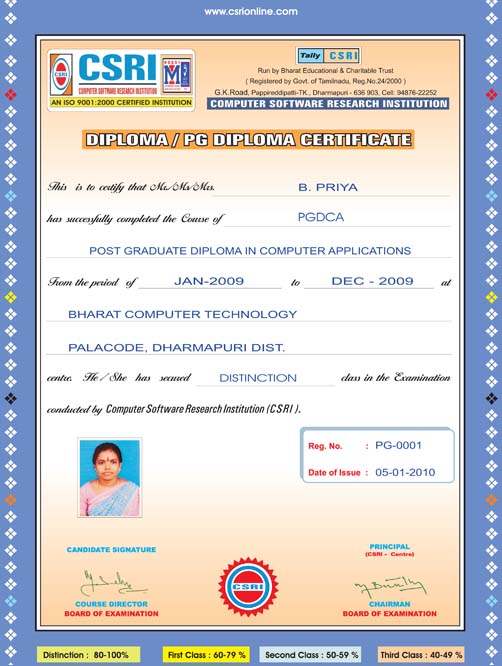
Certificate Sample